Your water heater may be the quietest machine in your home—but it can be one of the biggest contributors to your utility bill. The good news: a few smart adjustments can lower costs without sacrificing comfort.
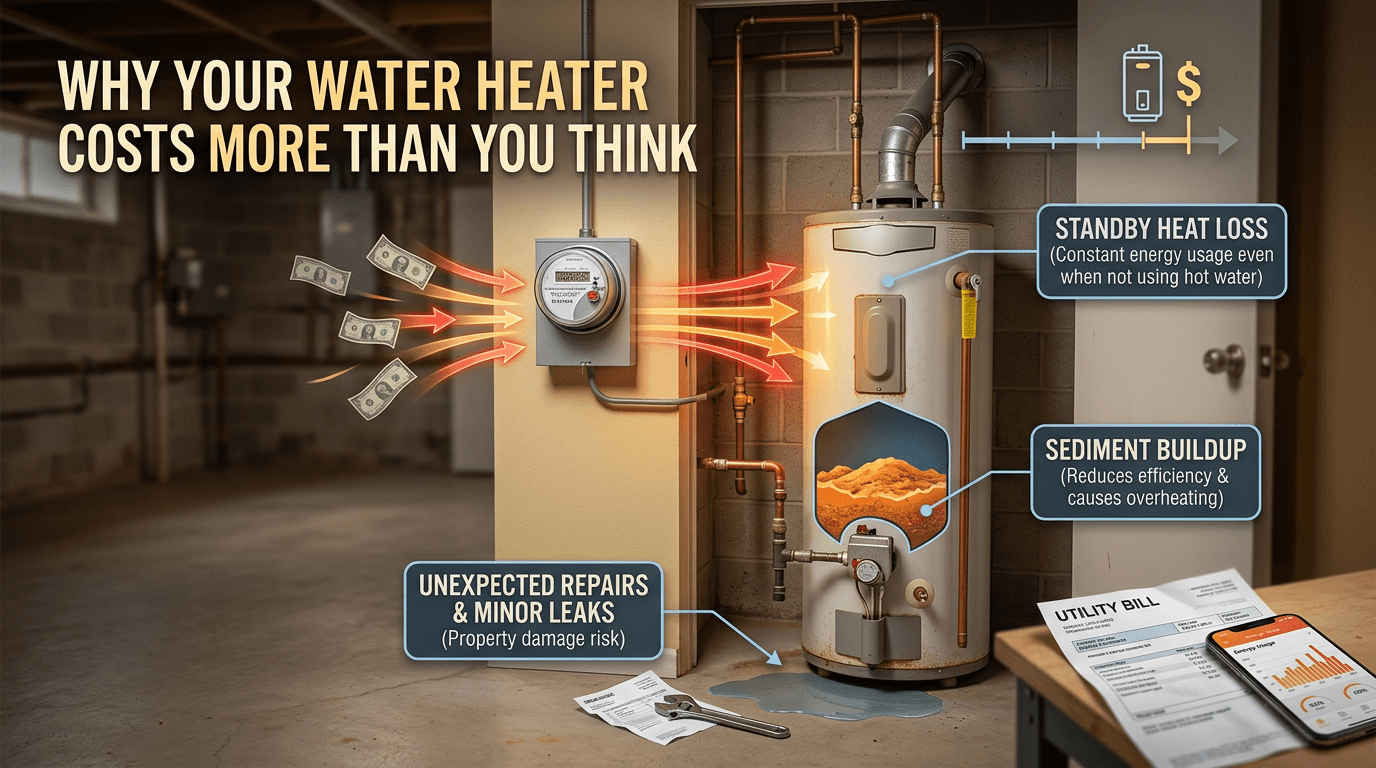
Why Your Water Heater Costs More Than You Think
Hot water is used daily for showers, laundry, dishes, and cleaning. If your system is inefficient—or just poorly tuned—you pay extra every month in energy and standby heat loss.
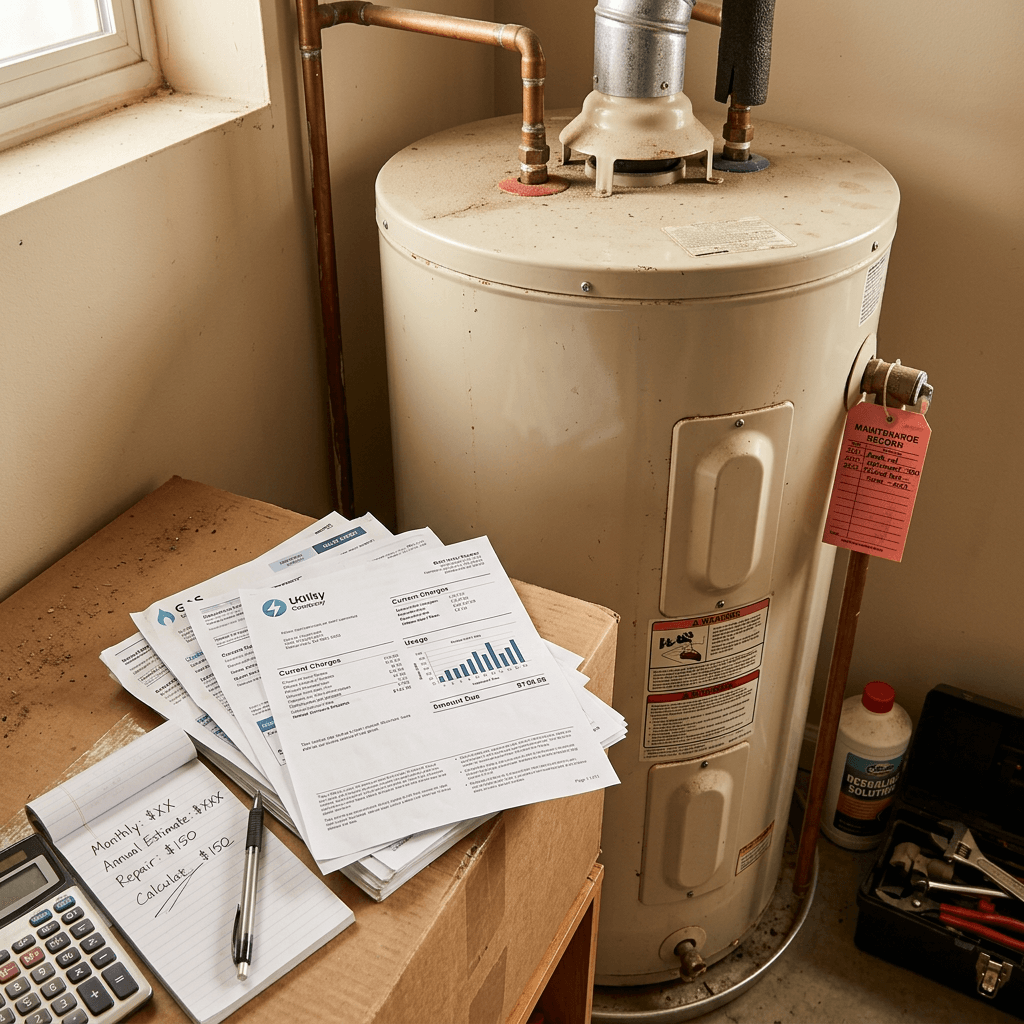
7 Practical Ways to Save Money
Seasonal Tip: Plan Upgrades Before Failure
If your water heater is aging, don’t wait for an emergency replacement. Planned upgrades let you compare options, apply for rebates, and avoid rush-install pricing.
When to Consider a New Water Heater
Want lower monthly bills? Start with a quick water-heater efficiency check and a simple maintenance routine this month.